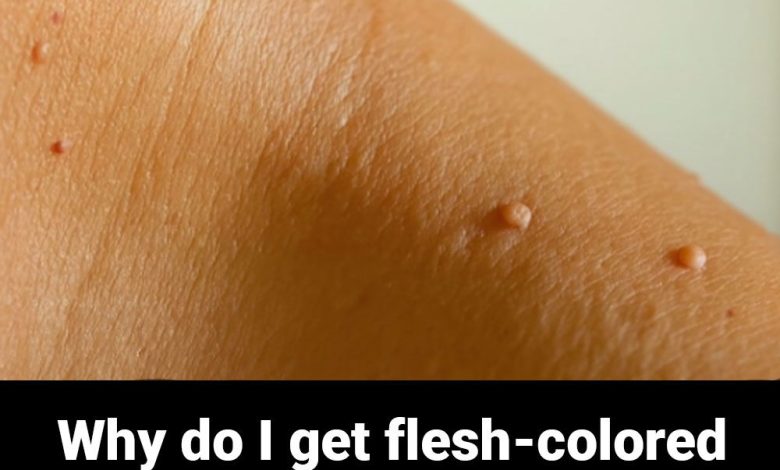
Why do I get flesh-colored moles on my neck or armpits, and how do I get rid of them? Experts explain.
Skin Tags: What They Are, Why They Appear, and How to Remove Them Safely
Skin tags—also called acrochordons or soft fibromas—are small, soft growths that commonly appear where your skin folds, such as the neck, armpits, eyelids, groin, and under the breasts.
Though harmless and painless in most cases, skin tags can feel bothersome or affect self-confidence. If you’ve ever wondered why they appear and what you can do about them safely, this guide will help you understand the causes, treatments, and when to seek professional care.
Whether you’re concerned about comfort, appearance, or preventing future growths, knowing the facts is the first step toward safe management.
Why Do Skin Tags Appear?
Skin tags are composed of collagen and blood vessels, covered by skin. While they’re neither contagious nor dangerous, several factors can contribute to their development:
- Friction & Chafing
Repeated rubbing from skin-to-skin contact or clothing—especially in areas like the neck, underarms, and groin—can trigger growth. - Genetics
If your close relatives have skin tags, you may be more prone to develop them. - Hormonal Changes
Shifts in hormones—during pregnancy, puberty, or due to insulin resistance—can stimulate excess skin cell growth. - Age
Skin tags become more common after age 40 as skin loses elasticity. - Obesity & Metabolic Syndrome
Increased skin folds and friction raise the likelihood of skin tag formation. - Type 2 Diabetes
A link exists between elevated insulin levels and skin tags, particularly in those with insulin resistance or type 2 diabetes.
How Can You Remove Skin Tags Safely?
Although skin tags usually don’t require treatment, many people opt to remove them for comfort or cosmetic reasons. Always consult a dermatologist before attempting removal, especially if the tag is large, painful, or changing in appearance.
- Cauterization – Burns off the tag using controlled heat; quick and often scar-free.
- Cryotherapy – Freezes the tag with liquid nitrogen; it falls off naturally over time.
- Surgical Excision – Cuts out the tag under local anesthesia; ideal for larger or suspicious growths.
- Laser Treatment – Uses targeted light beams; minimizes skin damage and works well in sensitive areas.
- Ligation (Tying off) – Cuts off blood supply with a surgical tie; the tag dries and drops off in a few days.
Post-Removal Care Tips
- Keep the area clean and dry.
- Apply any prescribed ointments to prevent infection.
- Avoid scratching or rubbing the area.
- Protect the skin from sun exposure to prevent pigmentation.
When Should You See a Dermatologist?
Skin tags are benign, but professional evaluation is advised if you notice:
- Rapid growth or sudden appearance of multiple tags.
- Bleeding, pain, or persistent itching.
- Color changes or irregular shapes.
These signs may indicate conditions that require medical attention beyond a standard skin tag.
Final Thoughts
Skin tags are extremely common, generally harmless, and often more of a cosmetic concern than a health risk. If you wish to remove them, professional methods are safe, effective, and minimize scarring. Avoid DIY treatments that could lead to infection or injury.
Let your skin reflect comfort, confidence, and care—not compromise. With the right approach, you can manage skin tags safely while keeping your skin healthy and smooth.