Visible Veins Explained: Normal Causes, Health Risks, and When to Worry
Seeing veins on your arms, hands, or legs is common—but sudden changes can spark concern. While visible veins are often harmless, certain patterns can signal underlying health issues, especially in older adults.
Let’s break down what’s typical, what’s not, and when it’s time to talk to a doctor.
Normal Reasons for Visible Veins
Aging Skin
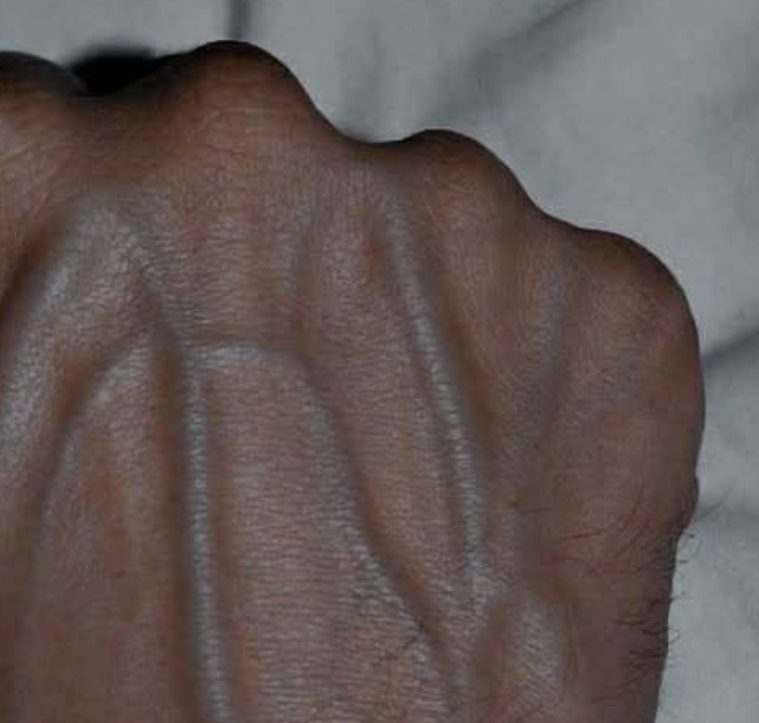
As we age, skin thins and loses elasticity, making veins more prominent—especially on hands and forearms.
Subcutaneous fat also decreases, offering less “padding” over veins.
Low Body Fat
People with little body fat (athletes, naturally slender individuals) often have more visible veins.
Heat & Warm Weather
Heat causes blood vessels to dilate, making veins appear larger and bluer.
Exercise or Physical Activity
Temporary vein prominence during/after workouts is normal due to increased blood flow.
Genetics
Some families simply have more noticeable venous patterns—it’s just how their bodies are built.
Key point: If veins have always been visible and haven’t changed, they’re likely benign.
When Visible Veins May Signal a Problem
While most vein visibility is harmless, sudden, unexplained changes—especially with other symptoms—warrant medical attention:
1. Varicose Veins
What they look like: Twisted, bulging, rope-like veins (usually on legs).
Cause: Weak vein valves → blood pools → veins swell.
Risk if ignored: Can lead to pain, swelling, skin ulcers, or blood clots (DVT).
2. Superficial Thrombophlebitis
Signs: A red, warm, tender cord under the skin; vein feels hard or inflamed.
Cause: Blood clot in a surface vein.
Action needed: Requires evaluation—may need anti-inflammatories or anticoagulants.
3. Deep Vein Thrombosis (DVT)
Warning signs:
Sudden swelling in one leg/arm
Pain/cramping (often in calf)
Skin that’s red or discolored
Veins more visible with swelling
Emergency: DVT can lead to pulmonary embolism (life-threatening). Seek care immediately.
4. Chronic Venous Insufficiency (CVI)
Symptoms:
Heavy, aching legs
Swelling (edema)
Brownish skin discoloration near ankles
Veins become increasingly prominent over time
Common in: Older adults, those with history of DVT, or prolonged standing.
5. Unexplained Bruising + Purple Blotches (Like You Mentioned)
If you’re seeing purple patches (purpura)—not just veins—it could be:
Senile purpura: Fragile capillaries in aging skin (common on forearms). Harmless but doesn’t fade completely.
Blood disorders: Low platelets, clotting issues, or medication side effects (e.g., blood thinners, steroids).
Vasculitis: Inflammation of blood vessels (rare, but serious).
Your concern about purple blotches on arms aligns with senile purpura—very common after 60—but should still be checked if new, spreading, or accompanied by fatigue, bleeding gums, or easy bruising.
When to See a Doctor
Consult a healthcare provider if you notice:
- Sudden appearance of prominent veins (especially in one limb)
- Pain, warmth, redness, or swelling near visible veins
- Veins that feel hard, cord-like, or tender
- Purple blotches that don’t fade or grow larger
- History of blood clots, heart disease, or cancer
Tests that may help:
- Duplex ultrasound (for DVT/CVI)
- Blood tests (CBC, clotting panel)
- Dermatology exam (for purpura)
How to Support Vein Health
- Move regularly: Avoid sitting/standing still for hours.
- Elevate legs when resting.
- Wear compression socks if prone to swelling.
- Stay hydrated and maintain healthy blood pressure.
- Protect thin skin: Use moisturizer and sunscreen to reduce bruising.
Final Thought
“Your veins tell a story—not just of circulation, but of time, resilience, and how you’ve carried life in your body.”
Most visible veins are simply part of aging gracefully. But trust your intuition—if something feels “off,” it’s always worth a conversation with your doctor.
Because peace of mind is the best kind of wellness.