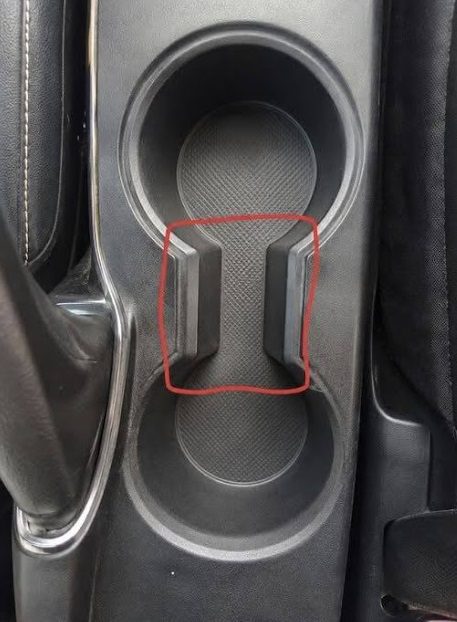
What Is the Weird Gap Between Car Cup Holders For?
That odd little space between your car’s cup holders—often too narrow for a drink, too wide to ignore—has puzzled drivers for years. But it’s not a design flaw. In fact, it serves several clever (and sometimes surprising) purposes.
Here’s what that gap is really for:
1. Accommodating Different Cup Sizes
Car designers know people use everything from skinny energy drinks to wide travel mugs. The gap allows flexible spacing so you can:
Slide dividers (if present) to fit odd-shaped bottles
Tilt a large cup diagonally across two holders
Prevent smaller cups from rattling by wedging them snugly
It’s intentional flexibility—not wasted space.
2. Housing Hidden Features
In many modern vehicles, that gap hides functional elements, such as:
USB ports or 12V power outlets (often recessed below)
Storage nooks for pens, sunglasses, or toll passes
Retractable trays (in luxury models like Lexus or Mercedes)
Wireless charging pads (positioned just behind the gap)
Next time you’re in a new car, peek down—you might find a hidden tech hub!
3. Drainage and Spill Management
Cup holders often have drainage channels underneath. The gap helps:
Allow liquid to flow away from electronics
Prevent suction that can make cups hard to remove
Reduce mold/mildew buildup by improving airflow
4. Manufacturing & Safety Considerations
Mold release: During production, plastic cup holder trays need slight separation to pop out of molds cleanly.
Thermal expansion: Plastic expands in heat—gaps prevent warping or cracking in summer.
Crash safety: In a collision, rigidly connected holders could shatter; small gaps add flexibility.
Bonus: Creative Uses Drivers Have Found
While not the original intent, people use the gap for:
Holding sunglasses (temporarily)
Securing a phone upright (with a rubber band)
Stashing parking tickets or receipts
Propping up a toll transponder
Caution: Don’t force large objects—it can crack the console!
Final Thought
That “weird gap” isn’t weird at all—it’s thoughtful engineering in disguise.
Car interiors are meticulously designed down to the millimeter. What looks like an oversight is often a solution to a problem you never knew existed.
So next time you notice that gap, smile—you’re seeing the quiet intelligence of automotive design.