Nettle Leaf: Traditional Uses, Potential Benefits, and Important Facts
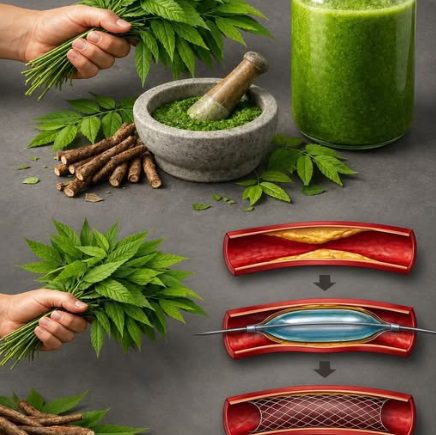
Natural remedies have been used for centuries in many cultures, and one plant that continues to attract attention is nettle leaf. Known for its rich nutritional profile, nettle has traditionally been used in teas, soups, and herbal preparations to support general wellness.
While some people believe nettle can help with a variety of health concerns, it is important to understand what current evidence suggests and where more research is still needed.
What Is Nettle Leaf?
Nettle (Urtica dioica) is a green leafy plant found in many regions around the world. Although its tiny hairs can cause a temporary stinging sensation when touched, the leaves are commonly used in cooking and herbal products after proper preparation.
Nettle contains several nutrients, including:
- Vitamin C
- Vitamin K
- Iron
- Calcium
- Magnesium
- Potassium
- Antioxidant compounds
These nutrients contribute to its reputation as a nutrient-rich plant.
Potential Health Benefits
May Support Healthy Blood Sugar Management
Some studies suggest that compounds found in nettle may help support normal blood sugar regulation. However, nettle is not a treatment or cure for diabetes, and people with diabetes should continue following medical advice and prescribed treatment plans.
May Support Heart Health
Nettle contains antioxidants and minerals that contribute to overall cardiovascular health. Maintaining a balanced diet rich in fruits, vegetables, and whole foods remains the most important factor for supporting healthy blood pressure and circulation.
May Help Reduce Inflammation
Traditional herbal practices have used nettle to support joint comfort and general wellness. Some research suggests its natural compounds may have anti-inflammatory properties, although results vary between individuals.
Rich in Antioxidants
Antioxidants help protect cells from oxidative stress. A diet rich in antioxidant-containing foods may support long-term health and overall well-being.
Simple Nettle Tea Recipe
Ingredients
1 tablespoon dried nettle leaves
1 cup hot water
Optional: lemon or honey
Instructions
Place the nettle leaves in a cup.
Pour hot water over the leaves.
Allow to steep for 5–10 minutes.
Strain and serve.
Add lemon or honey if desired.
Important Safety Information
Although nettle is commonly consumed as food or tea, it may not be suitable for everyone.
Consult a healthcare professional before using nettle if you:
- Take blood pressure medication
- Use diabetes medication
- Are pregnant or breastfeeding
- Have kidney-related health conditions
Natural products can interact with medications and should not replace professional medical care.
Healthy Habits Matter Most
No single plant, drink, or food can cure chronic diseases or instantly improve health. The best approach includes:
- Eating a balanced diet
- Staying physically active
- Getting adequate sleep
- Managing stress
- Following medical advice
Final Thoughts
Nettle leaf is a nutritious plant with a long history of traditional use. Its vitamins, minerals, and antioxidants make it an interesting addition to a healthy lifestyle. While research continues to explore its potential benefits, it should be viewed as a supportive food rather than a miracle remedy.
Choosing evidence-based health habits remains the most reliable path toward long-term wellness.