Life After Gallbladder Removal: Understanding the Possible Health Effects
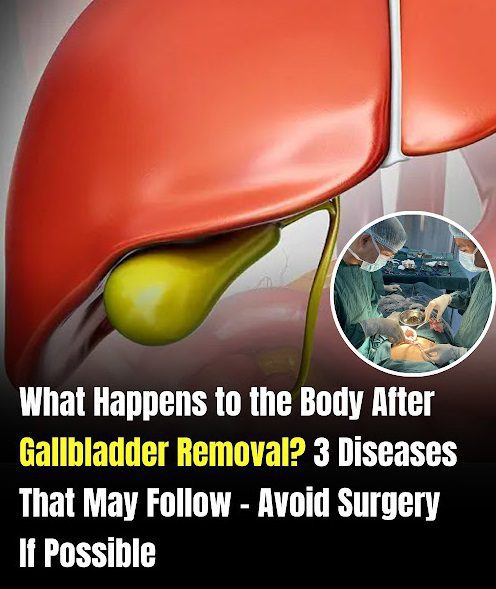
Having your gallbladder removed (a surgery called cholecystectomy) is one of the most common abdominal procedures—often done laparoscopically to treat gallstones, chronic inflammation, or biliary pain. While many people recover well and feel immediate relief, your body does undergo digestive adjustments afterward, and some experience ongoing changes.
The good news? Most symptoms are manageable, and long-term health risks are low with mindful eating and lifestyle habits.’
What the Gallbladder Does (And What Happens Without It)
Your gallbladder stores and concentrates bile—a fluid made by the liver that helps digest fats.
After removal, bile flows directly from the liver into the small intestine—not in controlled bursts, but continuously.
This change can affect digestion, especially of fatty foods—leading to temporary (or sometimes persistent) symptoms.
Common Short-Term Effects After Gallbladder Removal
Diarrhea or loose stools
Why it happens: Bile may move more continuously into the intestines, which can irritate the colon and affect fat absorption.
How common: Seen in up to 20% of patients.
Bloating or gas
Why it happens: Changes in digestion can allow partially digested fats to ferment in the gut.
How common: Very common during early recovery.
Indigestion after fatty meals
Why it happens: Without the gallbladder storing bile, large amounts of fat may be harder to process at once.
How common: Frequently reported in the first weeks or months.
Mild abdominal discomfort
Why it happens: Healing from surgery and digestive adjustment can cause temporary discomfort.
How common: Normal during the first 2–6 weeks.
Possible Long-Term Considerations
1. Postcholecystectomy Syndrome (PCS)
What it is: Persistent symptoms like pain, nausea, bloating, or diarrhea after surgery.
Affects: ~5–40% of patients (estimates vary).
Causes:
Bile reflux into the stomach
Sphincter of Oddi dysfunction (a valve that regulates bile flow)
Undiagnosed irritable bowel syndrome (IBS)
Management: Work with a gastroenterologist—may require imaging, diet changes, or medication.
2. Increased Risk of Digestive Issues
Fat malabsorption: Can lead to deficiencies in fat-soluble vitamins (A, D, E, K) over time.
Bile acid diarrhea: Chronic watery diarrhea due to excess bile in the colon.
Small intestinal bacterial overgrowth (SIBO): Altered bile flow may disrupt gut bacteria balance.
3. Slightly Higher Risk of Certain Conditions
Studies suggest a modest increase in risk for:
Colorectal cancer (long-term, likely linked to chronic bile exposure in the colon)
Metabolic changes: Some report weight gain or altered cholesterol—but evidence is mixed.
Important: These risks are small and often outweighed by the benefits of removing a diseased gallbladder.
How to Support Your Digestion After Surgery
Dietary Adjustments
Start low-fat: For the first 4–6 weeks, avoid fried foods, heavy cream, butter, and fatty meats.
Eat smaller, more frequent meals: Helps your liver manage bile flow.
Add soluble fiber: Oats, bananas, apples—helps bind excess bile and firm stools.
Stay hydrated: Especially if experiencing diarrhea.
Consider supplements: Vitamin D, K, or a high-quality probiotic (talk to your doctor first).
Lifestyle Tips
Chew thoroughly: Aids digestion without concentrated bile.
Walk daily: Gentle movement supports gut motility.
Track symptoms: Keep a food/symptom diary to identify triggers.
When to Seek Help
Consult your doctor if you experience:
- Persistent diarrhea (>2–3 weeks)
- Unexplained weight loss
- Jaundice (yellow skin/eyes)
- Severe abdominal pain or fever
- Pale stools or dark urine (signs of bile duct issues)
Final Thought
“Losing your gallbladder isn’t losing your health—it’s trading one problem for a new rhythm.”
Your body is remarkably adaptable. With patience, gentle nutrition, and awareness, most people thrive after cholecystectomy—enjoying meals, energy, and freedom from gallbladder pain.
So listen to your body, honor its signals, and give it time to recalibrate. You’ve got this—one balanced bite at a time.