That Metal “Soap” by the Sink — The Science Behind Stainless Steel’s Odor-Removing Magic
Why Is There a Stainless Steel Bar Beside the Kitchen Sink?
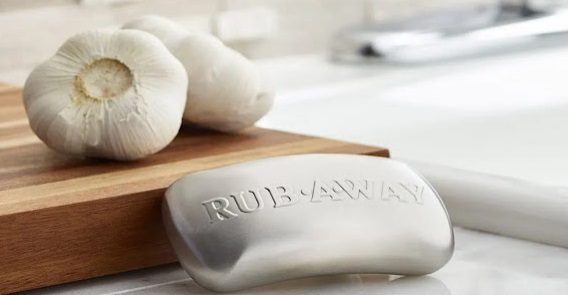
Have you ever noticed a small, oval-shaped piece of stainless steel sitting beside someone’s kitchen sink? It looks like a bar of soap, but it doesn’t foam, dissolve, or leave any fragrance behind.
It’s often called stainless steel soap, and many people use it after chopping garlic, onions, or preparing fish. The idea is simple: rub your hands against the metal under running water to help reduce lingering food odors.
But does this unusual kitchen tool really work?
What Is Stainless Steel Soap?
Stainless steel soap is a solid piece of metal shaped like a traditional bar of soap. It doesn’t contain detergent or fragrance. Instead, it’s designed to be rubbed between your hands under running water after handling strong-smelling ingredients.
Garlic and onions contain sulfur-containing compounds that contribute to their distinctive odors. Fish can also leave a lingering smell on your hands.
Ordinary handwashing with soap and water is the most important first step for removing food residue and cleaning your hands.
Does Stainless Steel Really Remove Garlic and Onion Smells?
Some people find that rubbing their hands on stainless steel helps reduce certain food odors. However, the scientific explanation isn’t fully established, and evidence that the metal itself reliably neutralizes these smells is limited.
The exact mechanism remains uncertain, so claims that stainless steel chemically eliminates every odor should be treated cautiously.
If you already own a stainless steel spoon or have a stainless steel sink, you can try rubbing your wet hands against a clean surface after washing them. Results may vary depending on the odor and the individual.
How to Use Stainless Steel Soap
If you’d like to try this kitchen trick, follow these simple steps:
- Wash your hands: Use ordinary soap and running water to remove food residue.
- Rub the metal gently: Move your wet hands over the stainless steel bar for about 20–30 seconds.
- Rinse thoroughly: Rinse your hands with clean running water.
- Dry your hands: Use a clean towel.
Avoid sharp edges, rough surfaces, or damaged metal that could scratch your skin.
Remember that stainless steel soap is not a substitute for handwashing. It doesn’t replace soap’s role in removing grease, dirt, and germs.
Do You Need to Buy a Special Steel Bar?
Not necessarily. Stainless steel soap bars are widely sold as kitchen accessories, but you may prefer to try a clean, smooth stainless steel spoon first.
If you decide to buy a dedicated bar, look for a comfortable shape and a smooth finish that’s easy to clean. There’s no need to spend a lot on a product whose odor-removing benefits may vary.
Frequently Asked Questions
Can stainless steel soap remove garlic smells?
Some people report that it helps reduce lingering garlic odors, but results aren’t guaranteed. Washing with ordinary soap and water remains the primary method.
Can I use a stainless steel spoon instead?
You can try a clean, smooth stainless steel spoon as an alternative. Avoid sharp edges and handle it carefully.
Does stainless steel soap kill bacteria?
No. It should not be considered a disinfectant or a replacement for washing your hands with soap and water.
Does it work for fish odors?
Some users find it helpful after preparing fish, although its effectiveness can vary. Proper handwashing is still important.
How should I clean a stainless steel soap bar?
Wash it with ordinary dish soap and water, rinse it thoroughly, and let it dry between uses.
Final Thoughts
A stainless steel soap bar is an unusual little kitchen accessory that may help some people reduce lingering food odors. Although its exact effectiveness and scientific explanation remain uncertain, it’s easy to try if you already have a suitable stainless steel utensil.
For everyday kitchen cleanup, the best starting point is still simple: wash your hands thoroughly with soap and running water.
Sometimes, the most interesting household tricks are the ones that make us curious about the ordinary objects sitting right beside our sinks.