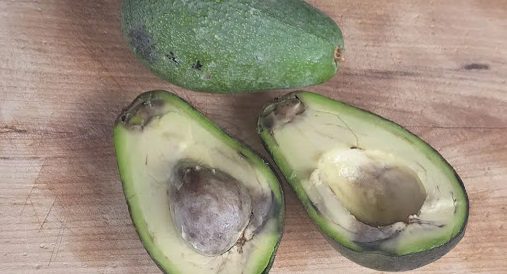
What Those Strange Strings in Your Avocado Really Mean — And Why You Shouldn’t Worry
Why Does My Avocado Have Strings Inside?
Have you ever cut open a ripe avocado and found thin, pale strings running through the flesh? It might look unusual, especially when you’re expecting a smooth, creamy texture.
The good news is that these strings are often a natural part of the fruit. They’re generally not worms or mold, and their presence alone doesn’t mean the avocado has gone bad.
What Are the Strings Inside an Avocado?
Those thin strands are commonly associated with the avocado’s vascular bundles, which transport water and nutrients as the fruit develops on the tree.
Although every avocado has internal transport tissues, some have more noticeable fibers than others. Their appearance can vary depending on the variety, growing conditions, and maturity of the fruit.
Stringy flesh is often more noticeable in certain varieties and in fruit that hasn’t developed the smooth texture people expect from a ripe avocado.
Is a Stringy Avocado Safe to Eat?
In most cases, yes. If the avocado smells fresh and has no other signs of spoilage, the presence of strings alone is generally not a reason to throw it away.
The main difference is texture. Pronounced fibers can make the flesh less pleasant to eat, but they don’t automatically indicate that the fruit is unsafe.
Before eating an avocado, check for other warning signs, such as visible mold, an unpleasant sour or rancid smell, or unusually slimy flesh. If you notice signs of spoilage, discard it.
Why Are Some Avocados More Stringy Than Others?
Several factors may contribute to noticeable fibers:
- Variety: Different avocado varieties can have different textures.
- Maturity: Fruit harvested or eaten before it has properly ripened may have a firmer texture.
- Growing conditions: Conditions during fruit development can influence texture and quality.
Strings alone aren’t enough to determine whether an avocado was grown under poor conditions or has a disease.
How to Choose a Creamy Avocado
If you prefer smooth avocado flesh, a few simple tips can help:
- Check the firmness: A ripe avocado should yield gently to light pressure without feeling mushy.
- Allow it to ripen: Keep a firm avocado at room temperature until it softens. A paper bag with a ripe banana may speed up ripening.
- Choose carefully: Hass avocados are often valued for their creamy texture, although individual fruit can still vary.
- Mash the flesh: If the avocado is otherwise fresh, mashing it into guacamole or blending it into a smoothie can make noticeable fibers less distracting.
Frequently Asked Questions
Are the strings inside an avocado worms?
Usually not. Pale strands running through the flesh are commonly natural plant tissues. If you see actual insects, tunnels, or unusual damage, inspect the fruit carefully and discard it if you’re unsure about its condition.
Do avocado strings mean the fruit is rotten?
No. Strings alone don’t indicate spoilage. Check the smell, texture, and appearance before deciding whether to eat it.
Can I use a stringy avocado for guacamole?
Yes, if the fruit is otherwise fresh and shows no signs of spoilage. Mash it thoroughly to help make the texture more uniform.
How can I make avocado flesh smoother?
Choose a properly ripe avocado and mash or blend it well. Some varieties naturally have a creamier texture than others.
Final Thoughts
Finding strings inside an avocado can be surprising, but it’s often just a natural variation in the fruit’s texture. These fibers are generally harmless, and their presence alone doesn’t mean the avocado is spoiled.
Check the fruit for other signs of deterioration, and if it looks and smells fresh, you can usually enjoy it in guacamole, on toast, or in your favorite recipes.
Sometimes, an imperfect-looking piece of produce is still perfectly useful in the kitchen.