The Oddest Closet Discovery — Uncovering the Classic “Rattlesnake” Envelope Prank
The Vintage Rattlesnake Envelope Prank: A Harmless Classic That Still Delivers a Jump
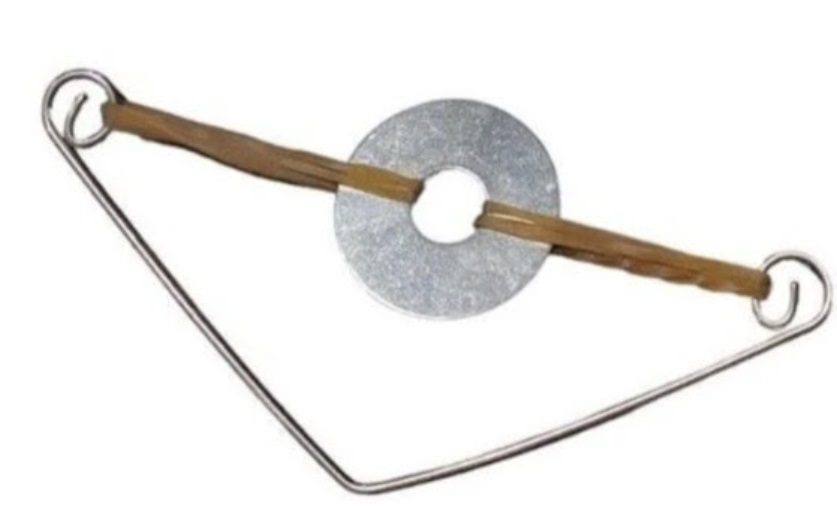
You’re cleaning out a drawer when you find it — a tiny contraption made of bent wire, a rubber band, and a small metal washer. It looks like junk at first. Maybe an old craft project. Maybe something broken. But the moment you recognize it, nostalgia hits: this is a rattlesnake envelope prank.
Long before viral videos and social media challenges, simple mechanical jokes ruled the world of harmless fun. This little device didn’t need batteries, apps, or Wi-Fi. It needed curiosity — and an unsuspecting envelope opener.
There’s something oddly charming about analog pranks. They remind us that laughter used to travel by mail, tucked inside ordinary envelopes, waiting for the perfect moment to spring to life.
What Is the Rattlesnake Envelope Prank?
Despite the dramatic name, there’s no real snake involved. The “rattlesnake” is a small spring-loaded wire device designed to pop outward when an envelope is opened, creating a quick jump scare.
How It Works
- The device is compressed flat and placed inside a standard envelope.
- The envelope is sealed like normal — sometimes with a playful note.
- When the flap is lifted, tension releases.
- The coiled wire springs outward with a snap, startling the recipient.
It’s quick. It’s surprising. And when used responsibly, it’s completely harmless fun.
A Brief History
The rattlesnake envelope prank was first patented in the early 1900s. It gained popularity between the 1930s and 1950s, when joke shops and mail-order catalogs sold novelty items across the country.
It was sometimes marketed under names like:
- “Snake-in-the-Box”
- “Envelope Jack”
- “Jumping Snake”
Before digital entertainment, these simple mechanical gags were a go-to source of lighthearted amusement.
Is It Safe?
When made with lightweight wire and rubber bands, the prank is designed to surprise — not harm. However, responsible use matters.
Avoid using it:
- On people with heart conditions
- On individuals with severe anxiety
- On young children
- In official or serious-looking envelopes (bills, legal notices, etc.)
The best pranks are playful, not distressing.
How to Make a Simple DIY Version
If you enjoy nostalgic crafts, this can be a fun retro DIY project.
Materials
- Thin metal coat hanger wire
- A standard rubber band
- A small metal washer or bead
Basic Steps
- Bend the wire into a tight spiral with a short straight tail.
- Loop the rubber band around the coil to create tension.
- Attach the washer at the tip for added motion.
- Compress flat and place inside an envelope.
- Secure the tail lightly under the flap so it releases when opened.
Always test the mechanism safely before using it.
Why You’ll Love This Classic Prank
- Old-school nostalgia – A reminder of pre-digital creativity
- Simple mechanics – No electronics or complicated setup
- Conversation starter – A fun piece of vintage novelty history
- Lighthearted fun – When used responsibly
In a world dominated by viral videos and instant reactions, there’s something refreshing about a mechanical surprise that relies purely on timing.
Pro Tips for Responsible Fun
- Keep the wire lightweight and flexible.
- Avoid sharp edges or heavy materials.
- Never disguise it as urgent or official mail.
- Always consider the recipient’s comfort level.
Humor should create laughter — not panic.
Variations
- Add a small bell bead for a gentle rattling sound.
- Decorate the envelope with playful drawings instead of warning messages.
- Use it during lighthearted occasions like April Fools’ Day.
FAQs
1. Does it actually hurt?
No, when made properly with light materials, it only creates a brief surprise.
2. Is it legal?
Novelty pranks are generally legal, but misuse (especially impersonating official mail) can cause issues.
3. Can I buy vintage versions?
Yes, collectors sometimes sell original models through antique marketplaces.
4. Why was it so popular decades ago?
It was inexpensive, easy to mail, and offered simple entertainment.
5. Is it suitable for kids?
Best used among older teens or adults who understand it’s a joke.
6. Can it damage an envelope?
Sometimes the pop may bend the flap, but it’s usually minor.
7. Is it reusable?
Yes, most versions can be reset and used again.
8. Why is it called “rattlesnake”?
Because the sudden pop mimics a snake striking.
Why It Still Matters Today
In an era of digital pranks and viral jump scares, the rattlesnake envelope feels almost wholesome. It’s mechanical, simple, and rooted in creativity rather than shock value.
Finding one today isn’t just discovering an old joke — it’s uncovering a tiny piece of social history.
Final Thought
If you stumble across that coiled little gadget again, don’t toss it away. It represents a time when humor traveled by post and surprise came in paper form.
As long as there are envelopes — there will always be a rattlesnake waiting inside.