Severe Constipation and Toxic Megacolon: Causes and Solutions
Constipation is a common digestive issue that many people experience from time to time. In most cases, it is mild and improves with lifestyle changes such as diet, hydration, and physical activity.
However, in rare situations, severe digestive symptoms may be associated with more serious medical conditions that require professional evaluation and care.
One of these rare conditions is known as toxic megacolon, which is a serious medical emergency and must be diagnosed and treated by healthcare professionals.
What Is Toxic Megacolon? (Medical Overview)
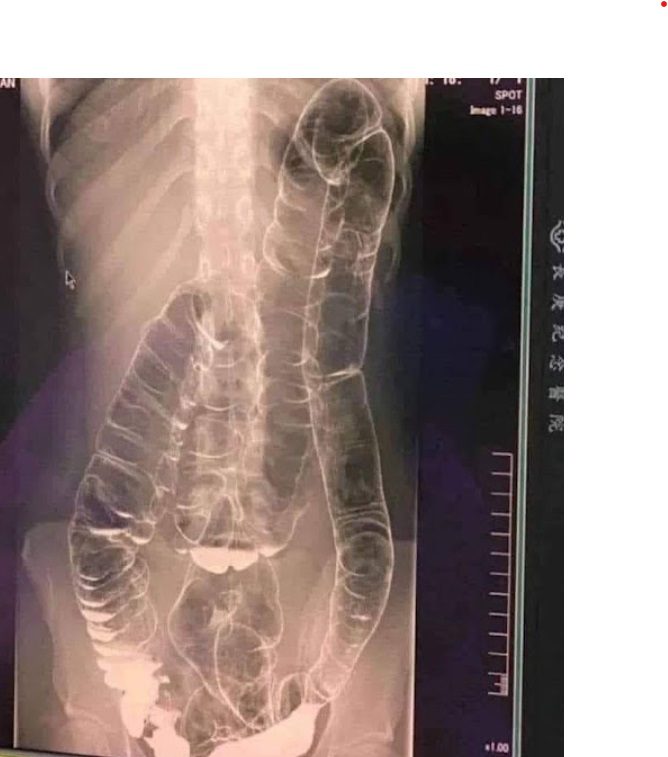
Toxic megacolon is a rare condition in which the large intestine becomes abnormally enlarged and its normal function is severely reduced.
It is usually associated with underlying medical conditions such as:
Inflammatory bowel diseases (such as ulcerative colitis or Crohn’s disease)
Certain severe intestinal infections
This condition is not caused by everyday constipation and is not related to normal digestive discomfort.
Possible Risk Factors (General Information)
Some medical conditions that may be associated with severe intestinal inflammation include:
Inflammatory bowel disease (IBD)
Certain bacterial or viral infections
Severe intestinal inflammation following illness
These conditions require proper diagnosis by a qualified healthcare professional.
When to Seek Medical Attention
If constipation or digestive discomfort is accompanied by unusual or severe symptoms, it is important to seek medical advice.
Possible warning signs may include:
- Persistent abdominal swelling
- Fever or feeling unwell
- Severe or unusual abdominal pain
- Sudden changes in bowel habits
- Signs of dehydration or weakness
These symptoms do not necessarily mean a serious condition, but they should always be evaluated by a medical professional.
Diagnosis and Medical Care
Conditions affecting the colon are diagnosed through medical evaluation, which may include imaging tests, blood tests, and other clinical assessments.
Treatment depends entirely on the underlying cause and is managed by healthcare professionals in a clinical setting.
Supporting Digestive Health (General Tips)
For everyday constipation prevention and digestive wellness:
- Eat a fiber-rich diet (fruits, vegetables, whole grains)
- Drink enough water daily
- Stay physically active
- Do not ignore the natural urge to go to the bathroom
- Maintain a balanced diet and healthy lifestyle
Final Thoughts
Most cases of constipation are mild and temporary. However, being aware of unusual or persistent symptoms is important for overall health awareness.
If something feels unusual or concerning, it is always best to consult a healthcare professional for proper guidance.
Taking care of your digestive health starts with simple daily habits and awareness of your body’s signals.