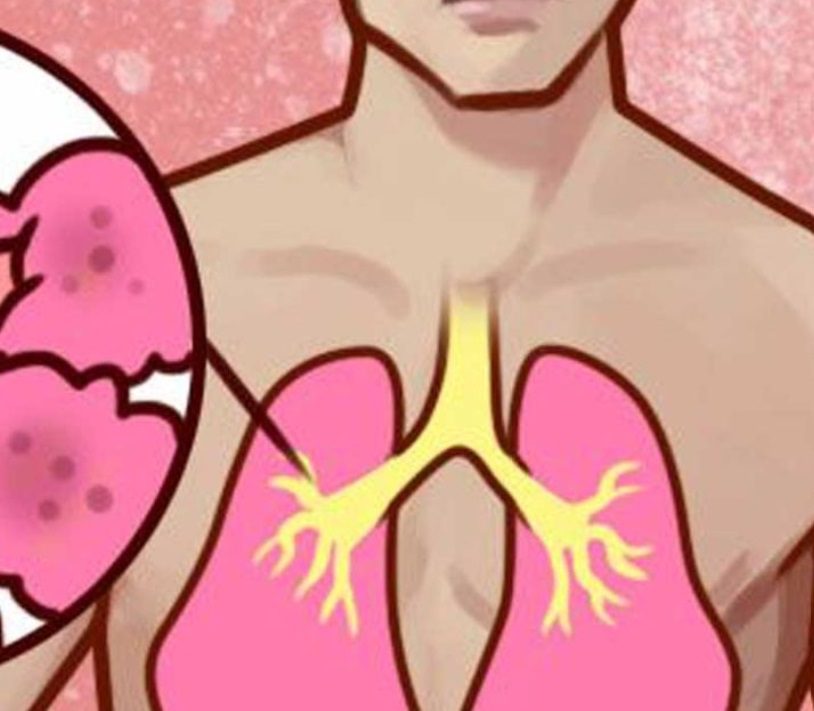
How to Ease Phlegm and Mucus at Home: Gentle Remedies and Safety Tips
When a stubborn cough or a congested throat makes it difficult to feel comfortable, it is natural to look for simple ways to find relief. Many families have passed down home remedies involving warm drinks, humid air, and soothing ingredients, hoping to make cold symptoms easier to manage.
Although traditional remedies can offer comfort, not every popular method has been proven to work, and some can carry risks. Steam inhalation over a bowl of hot water, for example, can cause serious burns, while concentrated essential oils may irritate the airways in some people.
The good news is that several practical steps can help you feel more comfortable while your body recovers from a common respiratory illness. Here is what to know about phlegm and mucus, which home-care methods may help, and when it is important to seek medical advice.
1. Understanding Phlegm and Mucus
Mucus is a substance produced by the body’s lining of the nose, throat, and other airways. It helps trap particles and supports the body’s natural defenses.
Phlegm usually refers to mucus coughed up from the lower respiratory tract. When you have a cold or another respiratory infection, your body may produce more mucus than usual, leaving you with a congested nose, throat irritation, or a cough.
Common causes include:
- Viral respiratory infections, such as the common cold.
- Allergies and exposure to irritants.
- Cigarette smoke and other air pollutants.
- Conditions affecting the lungs or airways.
The right approach depends on the underlying cause. Home care may ease mild symptoms, but persistent or severe symptoms may require medical evaluation.
2. Can Steam Help Loosen Mucus?
Warm, moist air may feel soothing when you are congested, which helps explain why steam has remained a popular traditional remedy.
However, there is limited evidence that inhaling steam provides meaningful relief or speeds recovery from a cold. Leaning over a bowl of hot or boiling water also creates a risk of scalds and burns.
For a safer option, consider sitting in a bathroom while a warm shower runs, without placing your face close to hot water. Stop if the warm, humid air makes your coughing, wheezing, or breathing discomfort worse.
A clean cool-mist humidifier may also help relieve dryness. Follow the manufacturer’s cleaning instructions to prevent the device from becoming a source of unwanted germs or mold.
3. A Gentle Home-Care Routine for Congestion
Rather than relying on a single remedy to clear mucus, try a few simple measures that can support comfort while you recover.
Step 1: Drink plenty of fluids.
Water, broth, and warm nonalcoholic drinks help maintain hydration. A warm drink may also soothe an irritated throat.
Step 2: Rest when you need it.
Sleep and rest give your body time to recover. If coughing bothers you at night, raising your head slightly may make resting more comfortable.
Step 3: Consider saline nasal spray.
Saline spray or drops can help relieve nasal congestion. Follow the product instructions, particularly when using it for a child.
Step 4: Try a clean humidifier.
If the air in your home is dry, a clean cool-mist humidifier may help ease irritation. Clean it regularly according to the manufacturer’s directions.
Step 5: Soothe a cough with honey when appropriate.
Honey may help relieve coughing associated with a cold. It should never be given to children younger than 12 months because of the risk of infant botulism.
These steps may ease symptoms, but they do not cure every cause of excess mucus. If symptoms are worsening or seem unusual, speak with a healthcare professional.
4. Should You Add Eucalyptus or Peppermint Essential Oil?
Eucalyptus and peppermint oils are popular ingredients in some aromatic products marketed for congestion. Their strong scents can create a sensation of freshness, but that feeling does not prove that mucus has been removed or that the airways have been cleared.
Concentrated essential oils can cause irritation, and strong fragrances may trigger coughing or breathing symptoms in sensitive people, including some people with asthma.
For these reasons:
- Do not add essential oils to a bowl of hot water for inhalation.
- Never swallow essential oils unless a specific product has been prescribed or recommended for an appropriate medical use.
- Keep concentrated oils away from children and pets.
- Follow the instructions and age restrictions for any approved product.
- Stop using a product if it causes irritation, wheezing, or shortness of breath.
If you have asthma, another chronic lung condition, or concerns about using an aromatic product, ask a healthcare professional before trying it.
5. Traditional Remedies and Modern Medical Care
Family remedies often have sentimental value, and some simple practices can make an illness more comfortable to manage. Warm drinks, rest, and adequate hydration are examples of supportive care that may help during a mild cold.
However, it is misleading to suggest that natural remedies are always safer than medicines or that prescription treatments are necessarily harmful. The appropriate treatment depends on the cause of the symptoms.
A common cold is usually caused by a virus, so antibiotics do not treat the infection itself. Other illnesses, however, may need specific treatment or assessment.
If you use over-the-counter cough or cold products, read the label carefully and ask a pharmacist or healthcare professional about age restrictions, possible interactions, and whether the product is suitable for you.
6. When Should You Seek Medical Advice?
Most mild cold symptoms improve with time, but some symptoms should not be ignored.
Contact a healthcare professional if:
- Your symptoms last more than 10 days without improving.
- You develop a fever that lasts longer than four days.
- Your cough or congestion improves and then returns or becomes worse.
- You have a persistent cough or increasing amounts of phlegm.
- You have a chronic medical condition that is becoming worse.
- You are at higher risk of complications from respiratory infections.
Seek urgent medical attention for difficulty breathing, significant chest pain, blue or gray lips, confusion, or other severe or rapidly worsening symptoms.
If you suspect flu or COVID-19 and are at higher risk of severe illness, contact a healthcare professional promptly. Some treatments work best when started early.
7. Everyday Habits That Support Respiratory Health
A few everyday habits can help reduce irritation and support recovery:
Avoid smoke. Cigarette smoke and other inhaled irritants can aggravate coughing and airway symptoms.
Stay hydrated. Drink fluids regularly, especially when you have a fever or are losing fluids.
Keep indoor air comfortable. Avoid excessive dryness and keep humidifiers clean if you use one.
Practice good hygiene. Wash your hands regularly, cover coughs and sneezes, and avoid close contact with others when you are ill.
Pay attention to changes. Notice whether symptoms are improving, staying the same, or becoming worse. Seek advice when symptoms are persistent or concerning.
These habits are supportive measures, not a substitute for medical treatment when an illness requires it.
Frequently Asked Questions
What is the safest way to ease mucus at home?
For mild cold symptoms, drinking fluids, resting, using saline nasal spray for nasal congestion, and using a clean humidifier may help you feel more comfortable. The best approach depends on the cause of the mucus.
Does steam clear phlegm from the chest?
Steam may feel soothing, but evidence that it meaningfully clears mucus or shortens a cold is limited. Avoid leaning over bowls of hot water because of the risk of burns.
Can eucalyptus oil help with chest congestion?
Some products containing eucalyptus are traditionally used for cold-related symptoms, but evidence for essential oils is limited and depends on the product and how it is used. Concentrated oils may irritate the airways and should not be treated as a guaranteed remedy.
Is honey helpful for a cough?
Honey may provide some relief from coughing associated with a cold. Never give honey to a baby younger than 12 months.
When is phlegm a reason to see a doctor?
Seek medical advice if symptoms persist, worsen, return after improving, or occur alongside concerning symptoms. Difficulty breathing or severe chest pain requires urgent medical attention.
Can natural remedies replace prescribed medicine?
No. Home-care measures may support comfort, but they do not replace prescribed treatment or professional evaluation when needed. Do not stop prescribed medication without consulting your healthcare professional.
Final Thoughts
When phlegm and mucus make you uncomfortable, simple home-care measures may help you feel better while your body recovers. Rest, fluids, saline nasal spray, and a clean humidifier are practical options for managing some mild respiratory symptoms.
Traditional remedies can be comforting, but natural does not automatically mean safe or effective. Avoid risky steam inhalation methods, use essential oils cautiously, and seek medical advice if symptoms are severe, persistent, or getting worse.
This article is for general informational purposes only and does not provide medical advice, diagnosis, or treatment. Consult a qualified healthcare professional for personal medical guidance.


