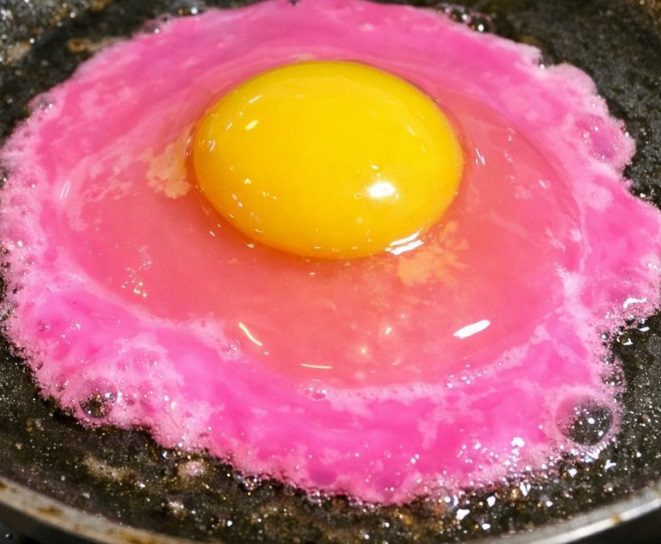
I cracked an egg and the liquid is a neon pearlescent pink — is this safe?
What Does It Mean When an Egg White Turns Pink? Food Safety Tips You Should Know
Eggs are a familiar staple in many kitchens, used for everything from quick breakfasts to homemade cakes and casseroles. Most fresh eggs have a clear or slightly cloudy white, so discovering an unusual pink or pearly tint after cracking one open can be surprising.
Although some changes in an egg’s appearance are harmless, a pink or iridescent egg white is a recognized sign of spoilage. The U.S. Department of Agriculture identifies this unusual coloring with spoilage associated with Pseudomonas bacteria. Because some of these microorganisms can be harmful, an egg with a pink or iridescent white should be discarded rather than eaten.
Knowing which changes are normal and which deserve caution can help you handle eggs safely, protect other foods in your kitchen, and make better decisions when something looks unusual.
1. What Does It Mean When an Egg White Turns Pink?
A fresh raw egg white is usually transparent or slightly cloudy. A pink or pearly, iridescent appearance is different from these normal variations and can indicate spoilage.
Certain bacteria, including some species of Pseudomonas, can produce pigments associated with unusual colors in food. The exact cause of a particular egg’s appearance cannot be confirmed simply by looking at it, but a distinctly pink or iridescent egg white is enough reason to discard the egg.
Do not taste the egg to check whether it is safe, and do not rely on cooking to make a visibly spoiled egg acceptable.
2. The Science Behind Pink Egg Whites
The egg white, also called the albumen, helps protect and nourish the developing embryo. Its normal appearance can vary slightly with freshness and other factors.
Some microorganisms can grow under favorable conditions and cause food spoilage. Certain Pseudomonas bacteria produce pigments that may create unusual discoloration, including the pink or iridescent appearance associated with spoiled eggs. <Cite refs={[“turn601633search0”]}/>
However, color alone cannot identify a particular bacterial species or establish exactly how an egg became contaminated.
The practical takeaway is simple: an egg white that appears distinctly pink or iridescent should not be used in cooking or baking.
3. Is a Pink Egg Safe to Eat?
No. If an egg white has an unusual pink or iridescent appearance, discard the egg.
Even if it smells normal, its appearance is enough to raise a food-safety concern. Harmful microorganisms are not always detectable by smell or sight, so an egg should never be considered safe solely because it has no unpleasant odor.
For safer egg handling:
- Discard eggs with unusual pink or iridescent whites.
- Never taste a questionable egg to test it.
- Keep the egg away from other ingredients and ready-to-eat foods.
- Wash your hands after handling it.
- Clean utensils, bowls, and countertops that came into contact with the raw egg.
These precautions help reduce the possibility of spreading contamination around your kitchen.
4. Can You Tell Whether the Pink Color Is Harmless?
It is not possible to reliably determine the cause of an unusual pink egg white at home just by examining it.
Some normal egg variations can look unfamiliar. For example, a cloudy white can be a sign of freshness, while small blood spots may occur when tiny blood vessels rupture during egg formation. These changes are different from the pink or iridescent appearance associated with spoilage. <Cite refs={[“turn601633search0”]}/>
If you cannot confidently explain an unusual color, the safest choice is to discard the egg.
Avoid trying to rescue a questionable egg by rinsing it, removing the discolored portion, or cooking it for longer.
5. Other Signs That an Egg May Be Spoiled
An unusual color is not the only reason to be cautious about an egg. Other warning signs can include:
- Unpleasant odor: A spoiled egg may have a strong, unpleasant smell when cracked open.
- Damaged shell: Cracks or leaks can create opportunities for contamination.
- Unusual appearance: Unexpected discoloration or visible contamination should prompt caution.
- Improper storage: Eggs left out too long or stored under unsuitable conditions may become unsafe even if they look normal.
A normal smell and appearance do not guarantee that an egg is free from harmful bacteria. Salmonella, for example, can be present in eggs without obvious signs of spoilage.
6. Why Bacterial Contamination in Eggs Matters
Eggs can become contaminated at different stages, including during formation inside the hen or after the shell has been laid. Bacteria may also enter through the shell under certain conditions.
One important concern is Salmonella, which can cause foodborne illness. Symptoms may include diarrhea, fever, and stomach cramps. People who are particularly vulnerable to severe foodborne illness should take extra care with raw and undercooked eggs.
The absence of an unusual color does not guarantee safety, which is why proper refrigeration and thorough cooking remain important even when an egg looks perfectly normal.
7. What to Do If You Crack Open a Pink Egg
If you discover a pink or iridescent egg white while preparing breakfast or baking, follow these simple steps.
- Discard the egg. Do not cook, taste, or use it in another dish.
- Keep other ingredients separate. Avoid letting the questionable egg or its liquid touch other food.
- Wash your hands. Use soap and water after handling the egg or shell.
- Clean the work area. Wash bowls, utensils, countertops, and other surfaces that contacted the raw egg with hot, soapy water.
- Check the remaining eggs. Discard any that are cracked, leaking, or show unusual discoloration. Keep the others properly refrigerated.
- Contact the seller if appropriate. If several eggs from the same carton appear unusual, or you suspect a broader product problem, contact the store or supplier.
You do not need to throw away every intact egg in the refrigerator solely because one egg was discolored. Handle the remaining eggs carefully and discard any that appear questionable.
8. How to Store Eggs Safely
Proper storage helps maintain egg quality and reduces the risk of bacterial growth.
- Refrigerate promptly: In the United States, USDA guidance recommends keeping shell eggs refrigerated at 40°F (4°C) or below.
- Keep eggs in their carton: The original carton helps protect the eggs and makes it easier to identify product information.
- Avoid prolonged time at room temperature: Do not leave refrigerated eggs out for more than two hours.
- Check shells before use: Avoid using eggs that are cracked or leaking.
- Cook thoroughly: Cook eggs until the whites and yolks are firm, and prepare egg dishes thoroughly.
- Wash hands and equipment: Clean hands, utensils, and work surfaces before and after handling raw eggs.
Storage recommendations can differ by country and by how eggs are processed. Follow the handling instructions provided by your local supplier and food-safety authority.
9. When Should You Contact the Store or Supplier?
If you open an egg and discover a distinctly pink or iridescent white, discard it. If multiple eggs from the same carton show unusual discoloration, it is reasonable to contact the retailer or farm where you purchased them.
Keep the carton and its product information if you need to report a possible quality or safety issue. The seller may be able to identify the product batch and advise whether further action is appropriate.
If anyone becomes ill after eating a questionable egg, contact a healthcare professional for advice. Seek urgent medical attention for severe symptoms or signs of dehydration.
10. Frequently Asked Questions
Can a pink egg white be caused by bacteria?
Yes. USDA guidance identifies pink or iridescent egg whites as a sign of spoilage associated with Pseudomonas bacteria. However, the specific cause of an individual egg cannot be confirmed by appearance alone. <Cite refs={[“turn601633search0”]}/>
Can I eat an egg that looks pink but smells normal?
No. A normal smell does not make an egg with an unusual pink or iridescent white safe to eat. Discard it rather than tasting or cooking it.
Is a cloudy egg white a sign of spoilage?
Not necessarily. A cloudy white can be a sign that an egg is very fresh. A distinctly pink or iridescent appearance is different and should be treated as a warning sign.
Can cooking make a pink egg safe?
Do not attempt to make a visibly spoiled egg safe by cooking it. Discard the egg and clean any surfaces or utensils that contacted it.
Should I throw away the whole carton if one egg is pink?
Not automatically. Discard the questionable egg and inspect the remaining eggs. If several are unusual, cracked, or leaking, contact the seller for guidance.
How long can eggs stay out of the refrigerator?
For eggs that require refrigeration, USDA guidance advises not leaving them at room temperature for more than two hours. Keep them refrigerated at 40°F (4°C) or below.
Final Thoughts
Finding an egg with a neon pink or pearly white can be unsettling, especially when you were simply preparing breakfast or gathering ingredients for a favorite recipe. While not every change in an egg’s appearance signals a problem, a distinctly pink or iridescent egg white is a recognized sign of spoilage and should not be eaten.
Discard the questionable egg, clean anything that came into contact with it, and keep your remaining eggs properly stored. A few simple food-safety habits can help you avoid unnecessary risks and feel more confident in the kitchen.
When an egg looks seriously unusual, it is always better to leave it out of the recipe and choose a fresh one.