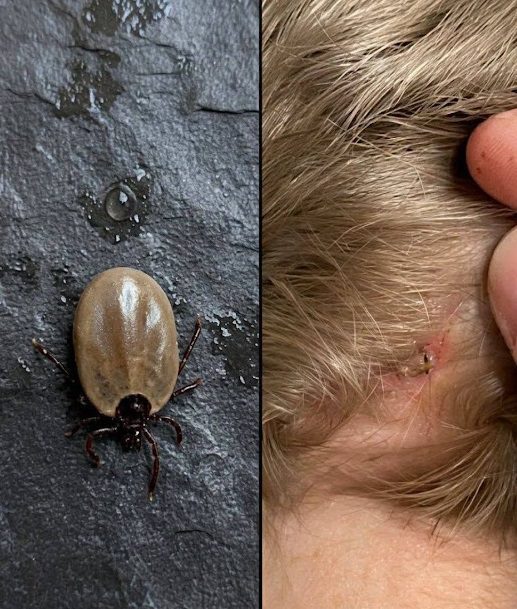
If you see this appearing on your lips, it is a sign of ca….
Cold sores—also known as fever blisters—can show up at the worst times. Caused by the herpes simplex virus type 1 (HSV-1), these painful little blisters are more common than you might think. They often appear around the mouth, lips, or nose, and while they’re usually not dangerous, they can be stubborn, recurring, and highly contagious.
Most people contract HSV-1 in childhood—often through something as innocent as a shared spoon or a kiss from a relative. Once the virus is in your system, it doesn’t fully go away. Instead, it hides quietly in your nerves, waiting for the right trigger to cause another outbreak.
What Causes Cold Sores in the First Place?
The initial infection may go unnoticed or look like a mild cold. After that, the virus becomes dormant—but it’s always there, waiting. Triggers that can reactivate the virus include:
- Emotional or physical stress
- Fatigue or poor sleep
- Hormonal changes (like menstruation)
- Immune system suppression
- Colds, flu, or other infections
- Too much sun exposure, especially on your lips
Outbreaks often start with a tingling or burning sensation before blisters appear. Recognizing these early signs helps you act fast.
Spot the Early Symptoms
The earlier you notice a cold sore developing, the better your chances of minimizing its severity. Keep an eye out for:
- Itching, tingling, or tightness near your lips
- Redness or swelling in a localized spot
- Small blisters forming within a day or two
These blisters eventually break open, crust over, and heal in about 1–2 weeks.
Treatment Options That Actually Work
While there’s no permanent cure for HSV-1, you can manage symptoms and reduce outbreak frequency with the right approach.
1. Prescription Antivirals
- Acyclovir, Valacyclovir, Famciclovir
- These work best when taken at the very first sign
2. Over-the-Counter Creams
- Docosanol (Abreva)
- Lidocaine or Benzocaine for numbing pain
3. Pain Relievers
- Ibuprofen or Acetaminophen can help ease discomfort
4. Natural Remedies
- Aloe Vera: Soothes and cools irritated skin
- Lemon Balm: Contains antiviral compounds
- Diluted Tea Tree Oil: Natural antiviral (but strong—use sparingly)
- SPF Lip Balm: Prevents future outbreaks triggered by sun exposure
Preventing Cold Sores from Coming Back
Prevention is key. Here’s how to lower your chances of an outbreak:
- Get enough quality sleep
- Reduce stress with mindfulness, breathing, or light exercise
- Eat a balanced, vitamin-rich diet
- Use SPF lip products when outdoors
- Support your immune system with proper hydration and nutrition
How to Avoid Spreading Cold Sores
Cold sores are most contagious when active. To keep loved ones safe:
Avoid:
- Kissing or close face-to-face contact
- Sharing drinks, towels, utensils, or lip balm
- Touching your eyes or mouth during an outbreak
Do:
- Wash your hands regularly
- Use your own personal care items
- Stay mindful of hygiene at all times
When to See a Healthcare Provider
Don’t hesitate to talk to your doctor if:
- You get frequent outbreaks (more than 6 per year)
- Your sores are especially painful or persistent
- You have a weakened immune system
- Cold sores appear near your eyes (this can be serious)
Hope on the Horizon: New Treatments & Research
Scientists are making progress in developing better treatments—including topical antivirals, gene therapy, and even potential vaccines. Until then, managing stress and starting treatment early remain the best tools we have.
Final Thoughts
Cold sores can be frustrating—but they don’t have to control your life. With early action, smart prevention, and natural support, you can minimize their impact. Whether you’re treating your first outbreak or just looking to prevent the next one, remember: help is available, and you’re not alone.