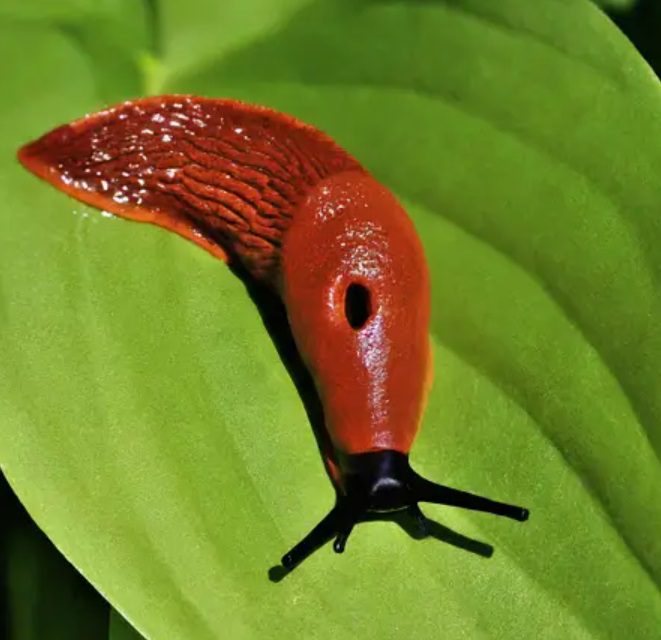
Red Slugs in the Garden: How to Identify and Manage Them
Finding red slugs in your garden can be surprising, especially when several appear around plants after dark or during damp weather. These soft-bodied mollusks are often found in moist garden areas, where they feed on decaying plant material and, depending on the species, living plants.
Red slugs can vary in color from orange-red to brown, and their appearance alone may not be enough to identify the exact species. Some slugs can damage seedlings, tender leaves, and young vegetables, while others mainly feed on decomposing organic matter.
How to Manage Slugs in Your Garden
If slugs are damaging your plants, a few practical steps can help reduce their numbers.
- Handpick slugs: Check plants and garden beds in the evening or early morning, when slugs are often more active. Wear gloves and dispose of collected slugs responsibly.
- Reduce hiding places: Remove unnecessary debris, boards, and other damp shelters near vulnerable plants.
- Water thoughtfully: Water in the morning when possible, allowing the soil surface to dry before nighttime.
- Protect young plants: Use suitable physical barriers or protective collars around seedlings, checking them regularly for gaps.
- Choose treatments carefully: If you use a commercial slug-control product, follow its label and consider the safety of children, pets, wildlife, and edible crops.
Copper barriers and other deterrents may have mixed results depending on conditions, so monitor your garden to see what works best.
Are Red Slugs Harmful to Plants?
Some species feed on living plant tissue and can leave irregular holes in leaves or damage young seedlings. Others primarily consume dead or decaying material and contribute to decomposition. Identifying the species and checking for actual plant damage can help determine whether control is necessary.
Final Thoughts
Red slugs are a common sight in some gardens, but their presence does not always mean your plants are in danger. By monitoring plant damage, reducing damp hiding places, and using appropriate control methods when needed, you can manage slug problems while protecting the rest of your garden.


