What Those Vertical Lines on Your Nails Really Mean — When to Worry (and When Not To)
Vertical Nail Ridges: Normal Aging or Health Signal?
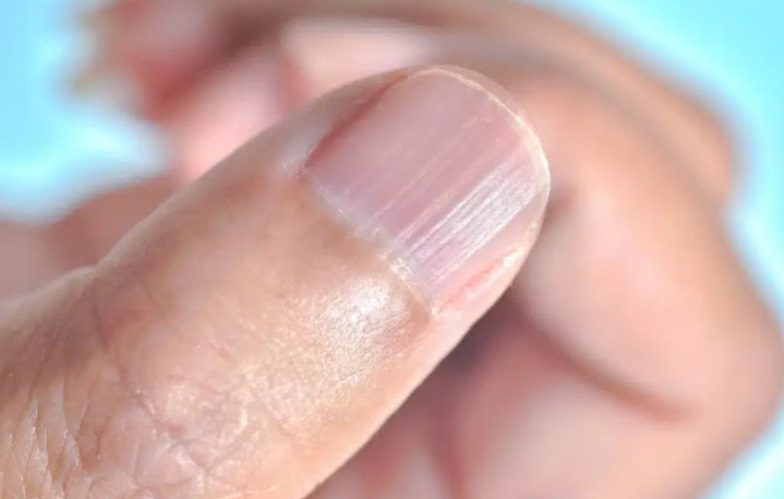
You glance at your hands and notice them: fine vertical ridges running from cuticle to tip. Maybe they’ve been there for years—or maybe they’ve recently become more pronounced.
Is this normal? Or is your body trying to tell you something?
In most cases, vertical nail ridges are harmless and part of natural aging. But sometimes, especially if they appear suddenly or worsen, they can signal a nutritional imbalance.
Let’s separate myth from fact.
Vertical Ridges: Usually Normal (Especially With Age)
Longitudinal ridges (vertical lines) are extremely common over time. Nails change just like skin does.
They can develop due to:
- Slower cell turnover
- Reduced moisture in the nail bed
- Years of minor trauma (typing, cleaning, tapping)
✅ Likely Benign If They Are:
- Symmetrical on multiple nails
- Smooth (not splitting or peeling)
- Present for years without other symptoms
- Think of them as “wisdom lines” for your nails.
When Vertical Ridges Might Signal a Deficiency
Sudden, deep, or worsening ridges—especially when combined with other symptoms—can point to nutritional gaps.
1. Iron Deficiency (Most Common)
Iron is essential for healthy nail growth. Low levels may cause:
- More pronounced vertical ridges
- Brittle nails
- Spoon-shaped nails (in severe cases)
Other symptoms may include:
- Fatigue
- Pale skin
- Shortness of breath
- Cold hands
🩸 Who’s at Risk?
- Women with heavy menstrual cycles
- Vegetarians or vegans not supplementing properly
- People with digestive disorders
Action: A ferritin blood test can measure iron stores.
2. Vitamin B12 Deficiency
Vitamin B12 supports nerve function and red blood cell production. Low levels may lead to:
- Nail ridging
- Brown-gray streaks
- Tingling in hands or feet
- Memory fog
- Mood changes
🥩 Who’s at Risk?
- Older adults
- Vegans
- People taking long-term antacids or certain medications
Action: A simple serum B12 test can confirm deficiency.
Other Possible Causes
Less common reasons include:
- Dehydration
- Chronic stress or illness
- Thyroid disorders
- Psoriasis or eczema affecting the nail matrix
Red Flags That Need Medical Attention
Seek medical evaluation if you notice:
- Horizontal ridges (Beau’s lines)
- Pitting or crumbling
- Separation from the nail bed
- Unusual discoloration
- Pain, swelling, or redness
How to Care for Ridged Nails
Even if ridges are normal, proper nail care helps.
- Moisturize daily (jojoba oil, vitamin E, hand cream)
- Avoid aggressive buffing
- Wear gloves during cleaning
- Eat a balanced diet rich in iron, B12, protein, and biotin
- Stay hydrated
FAQs
Can polish hide ridges?
Yes. Ridge-filling base coats can improve appearance.
Are ridges a sign of cancer?
Very unlikely. Vertical ridges are rarely linked to serious illness.
Do supplements help?
Only if you’re deficient. Testing first is recommended.
Why do ridges worsen in winter?
Cold, dry air increases nail dehydration.
Should I see a doctor?
If ridges appear suddenly or are accompanied by other symptoms, consult a professional.
The Bottom Line
Vertical nail ridges alone are usually a normal sign of aging—not a health emergency.
However, if they’re new, worsening, or paired with fatigue or other symptoms, a simple blood test can help rule out iron or B12 deficiency.
Your nails can offer subtle health clues—but they rarely signal danger on their own.
If something feels off, listen to your body.