White Worms in Strawberries? What Happens When You Soak Berries in Salt Water (And If They’re Still Safe to Eat)
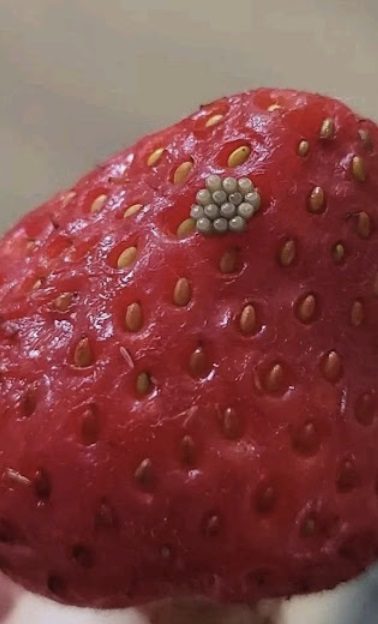
Yes—it’s unsettling but completely normal: those tiny white “worms” that sometimes crawl out of strawberries after a saltwater soak are actually larvae of the spotted wing drosophila (SWD), a common fruit fly. And while it’s alarming to see them, your strawberries are still safe to eat—here’s why.
What Are These “Worms”?
They’re maggots (larvae) of the spotted wing drosophila, a vinegar fly that lays eggs in soft, ripening fruit—especially berries.
The larvae are tiny (1–3 mm), white, and wriggly, and live inside the fruit as it ripens.
They’re not parasites—they don’t infect humans or survive digestion.
Why Salt Water Brings Them Out
Salt water creates a hypertonic environment: the high salt concentration draws moisture out of the larvae through osmosis, irritating them and forcing them to exit the fruit.
It doesn’t “create” worms—it just reveals ones already present.
Fresh water won’t work as well—salt is key to triggering their escape.
Tip: Use 1 tsp salt per 4 cups cold water; soak berries 10–15 minutes. You’ll see movement within minutes if larvae are present.
Are They Safe to Eat?
Yes—accidentally eating them won’t harm you.
The larvae are sterile, non-toxic, and digestible—your stomach acid breaks them down like any other protein.
The USDA and food safety experts confirm: ingesting fruit fly larvae poses no health risk.
That said, most people prefer to remove them for peace of mind—hence the salt soak!
How to Reduce Risk & Enjoy Berries Safely
Before Buying:
Choose firm, dry berries with intact caps—overripe or bruised fruit attracts SWD.
Avoid containers with juice or mold at the bottom.
At Home:
Don’t wash berries until ready to eat—moisture speeds spoilage.
Store unwashed berries in the fridge in a single layer (or original vented container).
Soak in salt water only when you plan to eat them—then rinse well.
Alternative Cleaning Method:
Vinegar soak: 3 parts water + 1 part white vinegar for 5–10 minutes kills bacteria/mold (but doesn’t reliably draw out larvae like salt water).
Final Thought
Finding larvae in strawberries is a sign of minimal pesticide use, not poor hygiene. In fact, organic berries are more likely to have them—which many consider a trade-off worth making.
“Nature isn’t sterile—and that’s okay.”
Soak your berries if it brings you comfort, rinse well, and enjoy. Your body will handle the rest without a second thought.