Why Would Your Pooch Have White Poop?
Why Does My Dog Have White or Pale Stool?
A dog’s stool is normally brown because of bile, a digestive fluid produced by the liver. If your dog’s stool is white, gray, or unusually pale, it’s worth paying attention. While some causes are harmless, others may require prompt veterinary care.
Common Causes of White or Pale Dog Stool
1. Too Much Bone in the Diet
One of the most common causes is eating excessive bone.
This may happen if your dog eats:
Raw bones
Bone meal
Raw diets with a high bone content
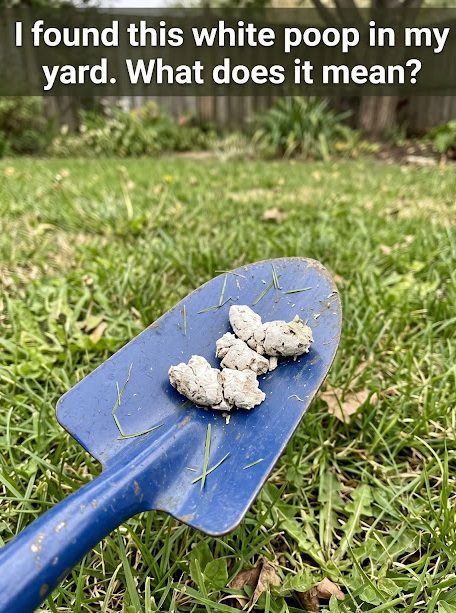
Stool may become:
White or light gray
Dry
Chalky
Crumbly
Too much bone can also lead to constipation or difficulty passing stool.
2. Liver or Gallbladder Problems
Pale stool may indicate that not enough bile is reaching the intestines.
Possible causes include:
Liver disease
Gallbladder disease
Blocked bile ducts
Because bile gives stool its normal brown color, reduced bile flow can cause stools to appear pale or gray.
3. Pancreatic Disorders
Conditions such as exocrine pancreatic insufficiency (EPI) can interfere with digestion, especially fat digestion.
Other signs may include:
Weight loss
Increased appetite
Frequent loose stools
Poor coat condition
4. Medications
Some medications or diagnostic substances can temporarily change stool color, including:
Certain antacids
Some antibiotics
Barium used during imaging procedures
5. Parasites or Intestinal Illness
Although less common, some intestinal infections or parasites can alter stool appearance and consistency.
A fecal examination by a veterinarian can help identify these problems.
Watch for Other Symptoms
Contact your veterinarian promptly if pale stool is accompanied by:
Vomiting
Loss of appetite
Lethargy
Abdominal pain
Bloating
Straining to defecate
Diarrhea
Blood in the stool
Yellowing of the eyes or gums
These symptoms may indicate a more serious underlying condition.
What You Can Do
Monitor Your Dog
Take note of:
When the pale stool first appeared
Whether it happened once or repeatedly
Any recent diet changes
Bone consumption
Medications or supplements
Your dog’s energy level and appetite
Review the Diet
Consider whether your dog has recently:
Eaten raw bones
Consumed a bone-heavy raw diet
Gotten into the trash
Eaten something unusual
Keep Fresh Water Available
Proper hydration supports healthy digestion and can help reduce constipation if excess bone intake is the cause.
When to See a Veterinarian
Schedule a veterinary visit if:
Pale stool occurs more than once.
Your dog seems sick or uncomfortable.
Your dog refuses food.
The stool remains white or gray despite dietary changes.
You’re unsure of the cause.
Your veterinarian may recommend:
A physical examination
Fecal testing
Blood tests
Imaging, such as X-rays or ultrasound, if needed
Frequently Asked Questions
Is white stool normal in dogs?
No. White or pale stool is not considered normal and should be evaluated, especially if it persists.
Can bones make a dog’s stool white?
Yes. A diet containing excessive bone is one of the most common reasons for white, chalky stool.
Should I stop giving my dog bones?
If you notice white, hard, or chalky stool after feeding bones, stop offering them until you speak with your veterinarian. Never give cooked bones, as they can splinter and cause serious injury.
Final Thoughts
A single episode of pale stool may be related to diet, particularly if your dog recently ate a large amount of bone. However, persistent white or gray stool can also be a sign of liver, gallbladder, or pancreatic disease.
If the color change lasts more than one bowel movement or your dog develops any additional symptoms, it’s safest to have your veterinarian examine your pet. Early evaluation can help identify the cause and ensure your dog receives the appropriate care.